Art Deco History can be traced back to the early 1920s, however the actual term, 'Art Deco', was first used in 1968 by Bevis Hillier in his book, Art Deco of the 20s and 30s.
Art Deco in the 1920s
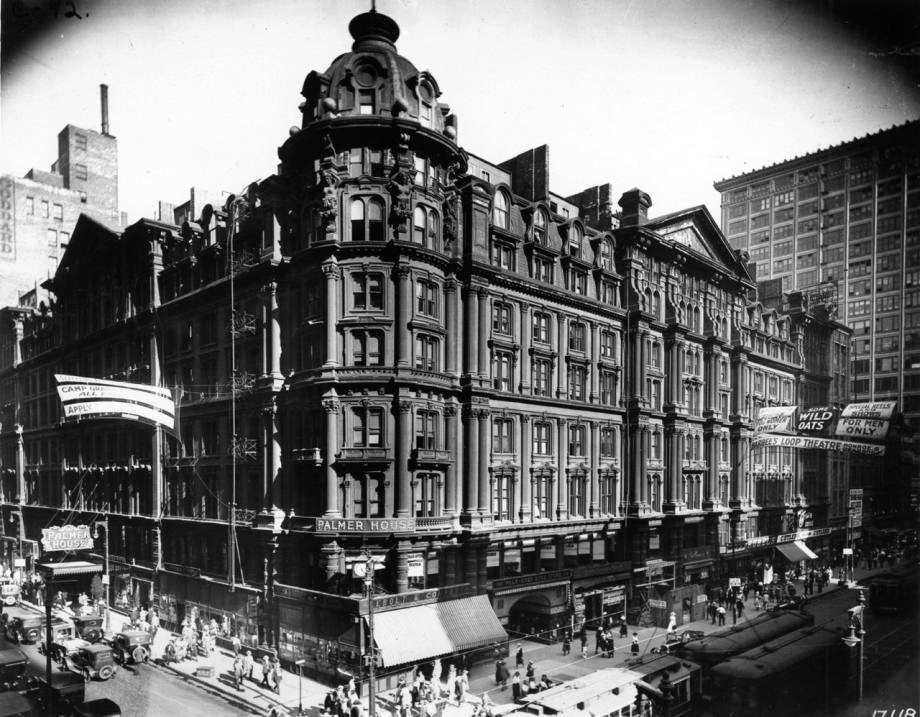
The mood during the 1920s was optimistic and the future seemed bright. World War I was over and the economy was booming throughout the world. The Roaring Twenties ushered in a spirit of frivolity, luxury and a sense of freedom and hopefulness.
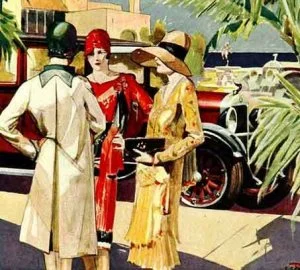
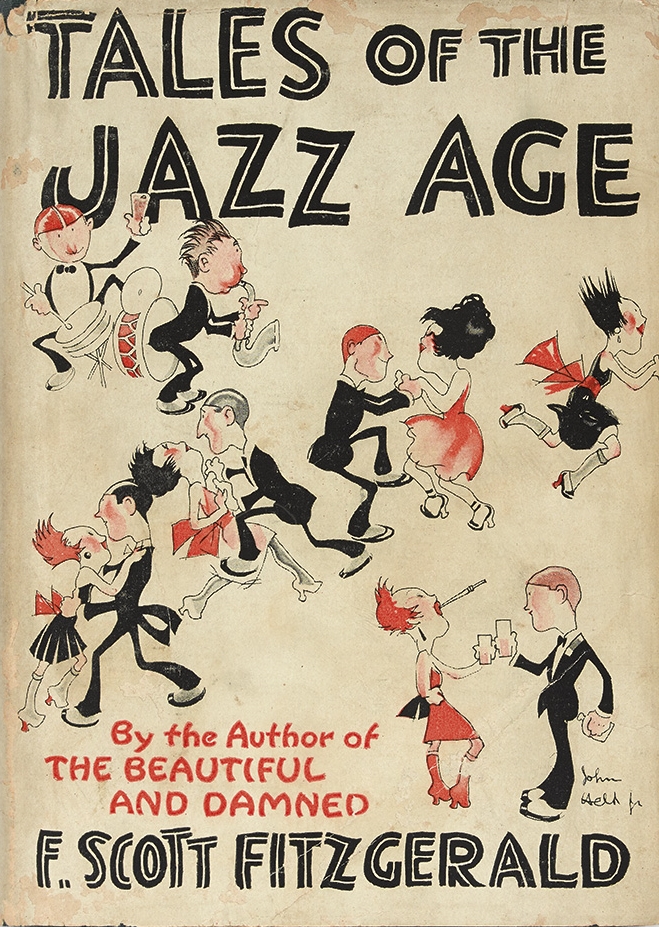
Jazz music was all the rage, women had won the right to vote and the flapper further liberated women. Leisurely travel gained popularity when in 1923, Coco Chanel returned from a cruise to Cannes, sporting a hot new accessory - sun tanned skin!
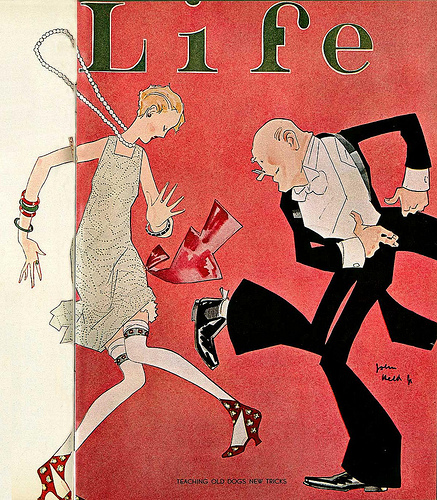
The Machine Age was in full swing and technology was rapidly improving the quality of life. This was the age that industrialized the printing press, introduced the radio, erected the first skyscrapers and modernized transportation.
There was a sense of excitement and expectancy in the air, a time of anticipating a future filled with promise. And it was during this hustle and bustle of activity that the Art Deco style began to emerge.
Paris 1925
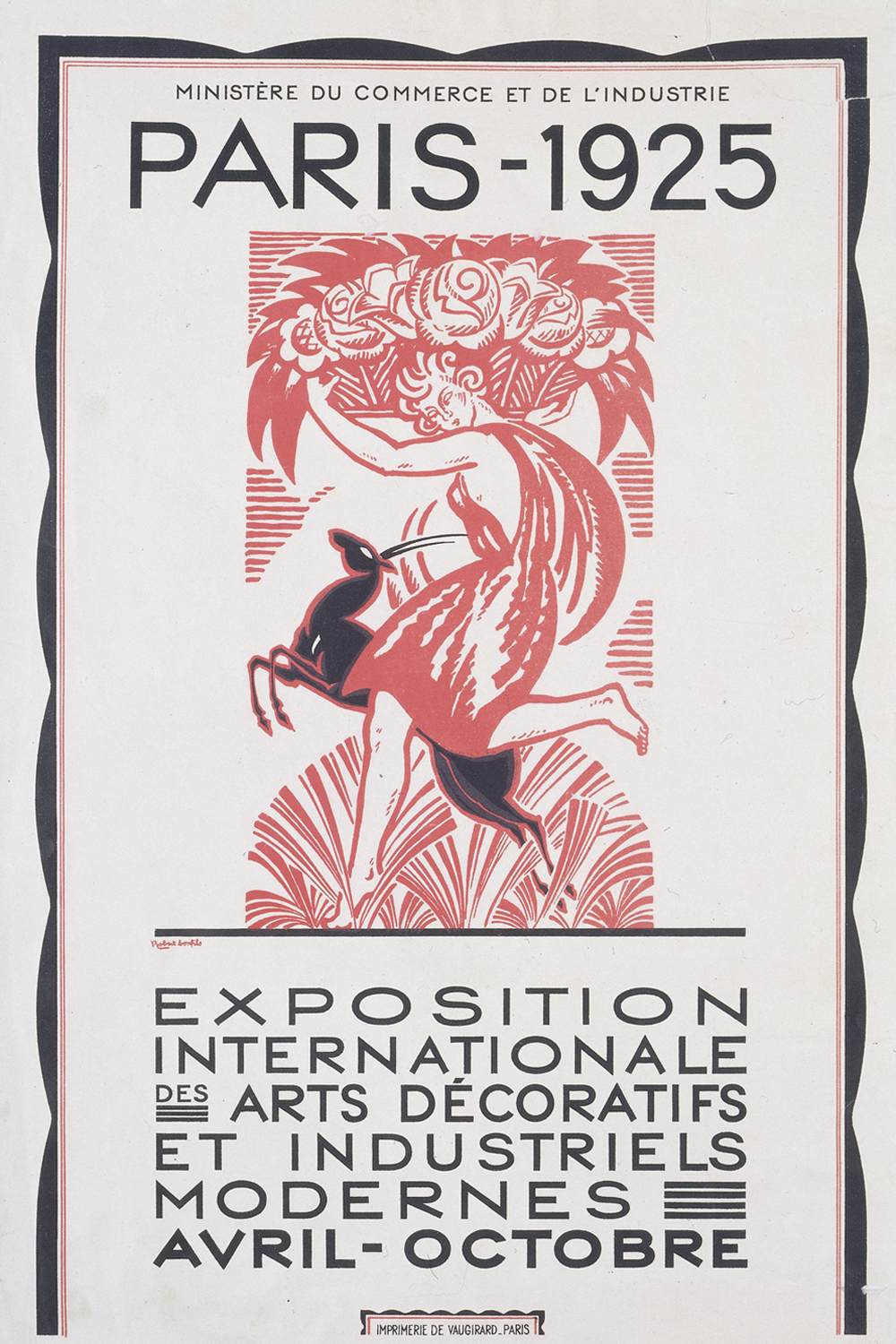
An exhibition was held in Paris in 1925, called Exposition Internationale des Arts Decoratifs et Industriels Modernes. It attracted all of the prominent French artists, architects, craftsmen and designers of the period and featured their works. Although the various works did not all have a common aesthetic - the Art Deco style is in fact quite eclectic, with influences of Art Nouveau, Cubism, Futurism, Modernism, Neo-Classicism and Bauhaus (Benton, 2003) - the themes of the works did have a commonality...
Art Deco History Themes
The themes that emerged from the Exhibition were 'Modernity', 'Technology' and 'Luxury & Leisure'. Although the Exhibition in Paris featured the works of French artists the Art Deco movement was a global one, with deep roots in other European countries, Egypt, India, East Asia, Latin America, South Africa, Australia, United States, Mexico and Cuba.
The 'look' of Art Deco is often difficult to describe, as it is an eclectic mix of styles, however it has the "you know it when you see it" quality about it. (Fulford, 2003).
Egyptomania's Influence on Art Deco History
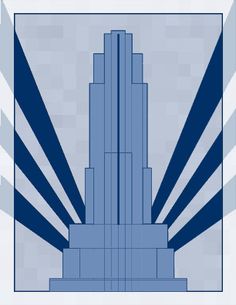
The Paris Exhibition in 1925 focused primarily on the Art Deco movement in France. However, the discovery of Tutankhamun's tomb in November of 1922 spawned a worldwide fascination with all things Egyptian, further contributing to the evolving aesthetic of Art Deco. Egyptomania, as it came to be known, spread throughout the globe like wild fire and influenced everything from architecture to jewelry to furniture. Hence, we recognize the classic Egyptian Ziggurat (staggered tier/zigzag/pyramid shape) as a classic Art Deco motif.


The Classic Art Deco 'Look"
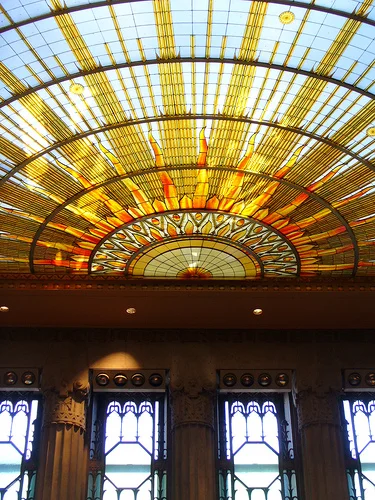
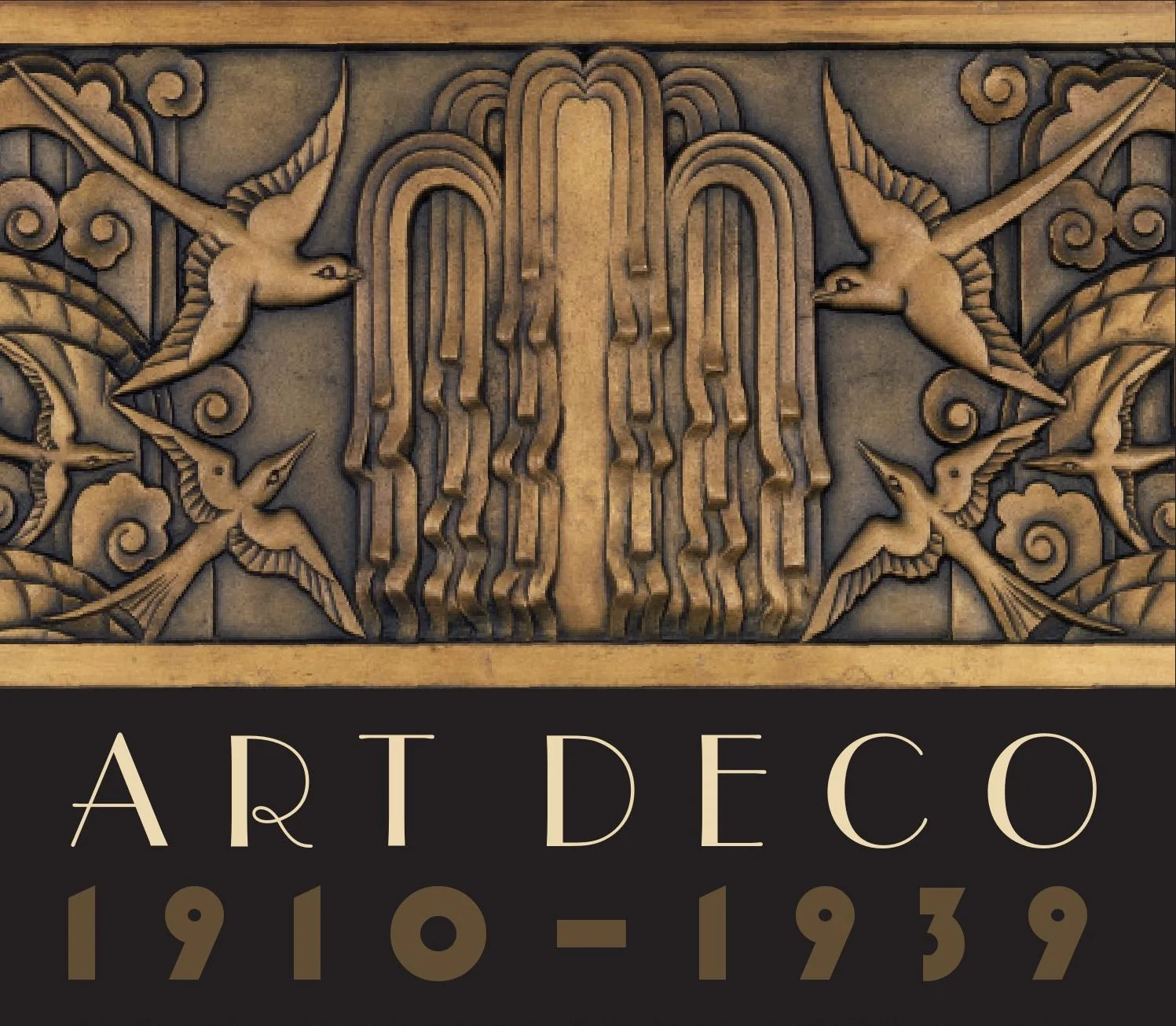
Art Deco is most commonly associated with a sleek aesthetic, symmetrical geometric shapes and bold bright colors like yellow, purple, ruby and turquoise.
Skyscrapers, furniture, and everyday objects were embellished with angular patterns like zigzags, sunburst and chevrons.
Automobiles, trains, ocean liners and other means of transport began to take on a more futuristic, aerodynamic look. Steel, glass and lacquered wood were used to achieve that sleek, modern look.
The booming economy allowed for the liberal use of expensive materials, such as diamonds and onyx in jewelry, and mahogany and ivory in furniture.
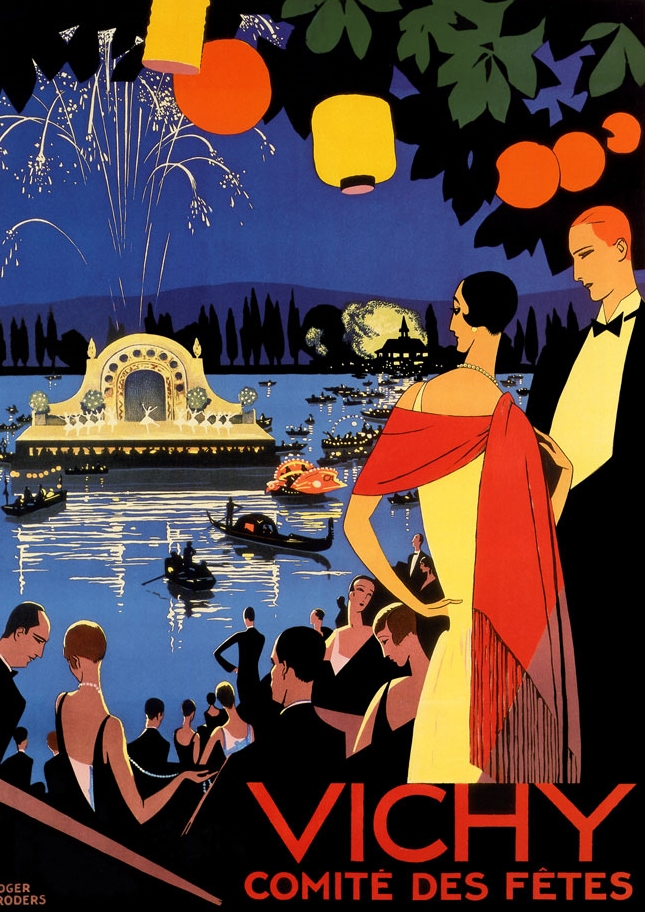
As leisurely travel came into vogue, a need for marketing exotic destinations to the young and affluent became increasingly important. Major advances in Graphic Design were happening during this time and in turn there was a mass producing of advertising paraphernalia that came out of the Art Deco era, most notably the travel poster.
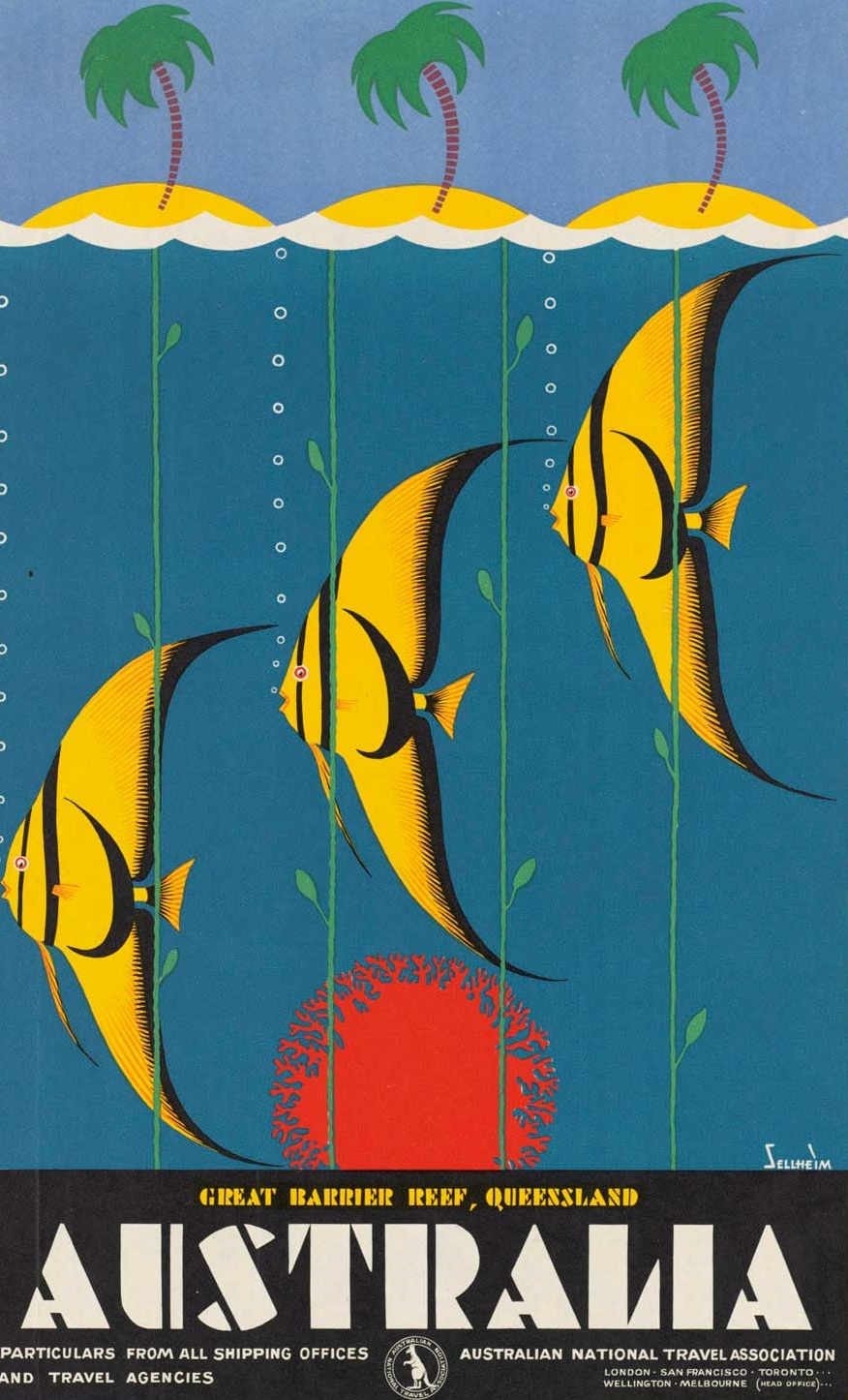
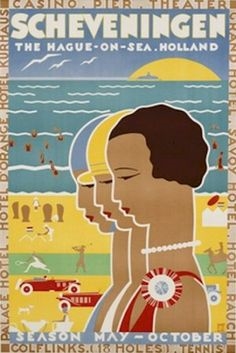
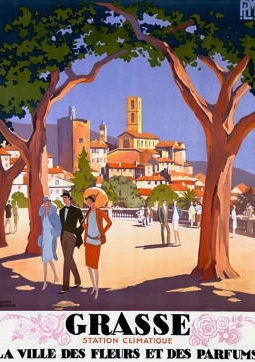
According to Art Deco history, Deco was intended to be a "Modernist follow-up to Art Nouveau" (HuntFor.com, 2007) and historians often speak about Art Deco history in contrast to Art Nouveau. Where Art Nouveau was stylized and curvilinear, Art Deco was streamlined and linear.
Art Deco in the 1930s
With the stock market crash of 1929, the Great Depression began to spread throughout the globe. Although it would be a couple more years before the average family began to experience the effect of this economic downturn, the optimism of the 20's was beginning to be replaced with a bleak somberness.
Nevertheless, the Art Deco movement continued to flourish in the early 1930's. Members of high society still favoured the works of Art Deco artists and craftsmen. Less expensive materials were being co-mingled with luxury materials which satisfied the less affluent consumer - people were still able to purchase luxury products, albeit at a much more palatable price.
By the mid 1930's however, the world had been badly bruised and beaten by the Depression and Art Deco was an obscene, glittering reminder of a future that never came. It came to be associated with an opulence and extravagance that had no place in the stark reality of the day. Moreover, as the threat of a second world war loomed closer and closer, Art Deco was looked upon ever more vehemently. And with the outbreak of WWII in 1939, Art Deco was dead.
Learn More…
If you’re interested in learning more about Art Deco History, I recommend the following books…